
Interested in developing your ecosystem but not sure where to start?
Here are some great plants you can incorporate into your environment:
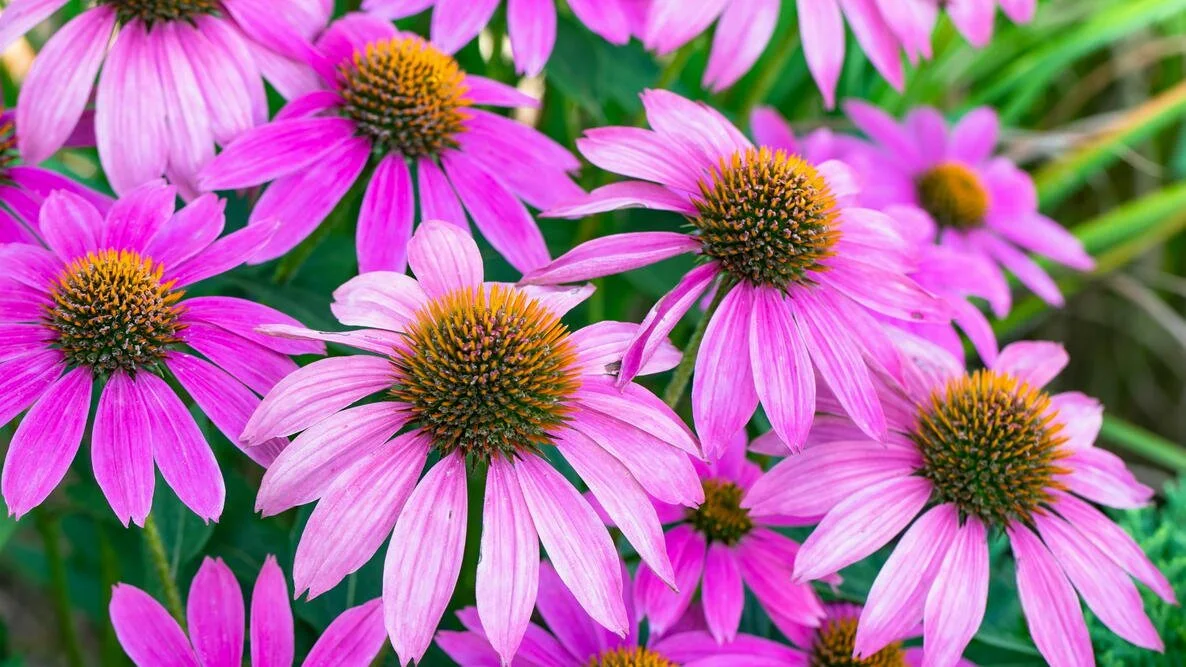
Echinacea (Coneflower)
A genus of herbaceous flowering plants in the daisy family. It has ten species, which are commonly called coneflowers. They are native only in eastern and central North America, where they grow in wet to dry prairies and open wooded areas.
Perennial. Spreads via multiplying taproots as well as self seeding. Easy to grow. Attracts pollinators. Supports native insects like butterflies, moths, and native bees. Excellent food source for winter birds such as finches and sparrows. Medicinal.
(photo courtesy of the Old Farmer’s Almanac)
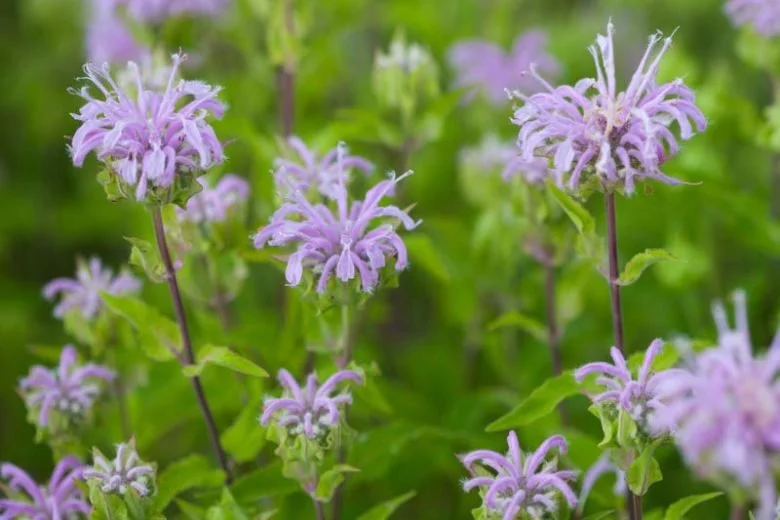
Monarda fistulosa (Wild Bergamot, Bee Balm)
A wildflower in the mint family Lamiaceae, widespread and abundant as a native plant in much of North America. The species is quite variable, and several subspecies or varieties have been recognized within it. An herbaceous perennial that grows from slender creeping rhizomes, this plant prefers moist but well draining soil, flourishing in sunny spots but tolerant of shady areas as well.
Perennial. Spreads via rhizome as well as self seeding. Easy to grow. Attracts pollinators. Great for bees and an excellent honey plant. Supports native insects like butterflies and moths. Excellent food source for hummingbirds. Fragrant. Medicinal.
(photo courtesy of Gardenia.net)
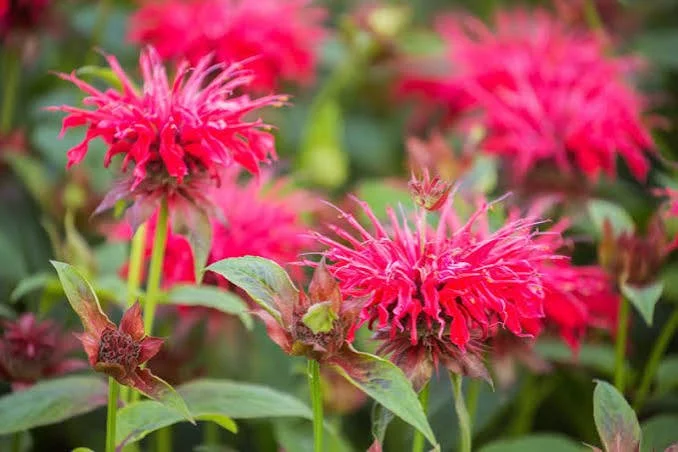
Monarda didyma (Bergamot, Crimson Beebalm)
A North American aromatic herb in the family Lamiaceae. The species is native to eastern North America. Grows best in full sun but tolerates light shade and thrives in any moist but well drained soil. Several cultivars have been selected for different flower color, ranging from white through pink to dark red and purple.
Perennial. Spreads via rhizome as well as self seeding. Easy to grow. Attracts pollinators. Great for bees and an excellent honey plant. Supports native insects like butterflies and moths. Excellent food source for hummingbirds. Fragrant. Medicinal.
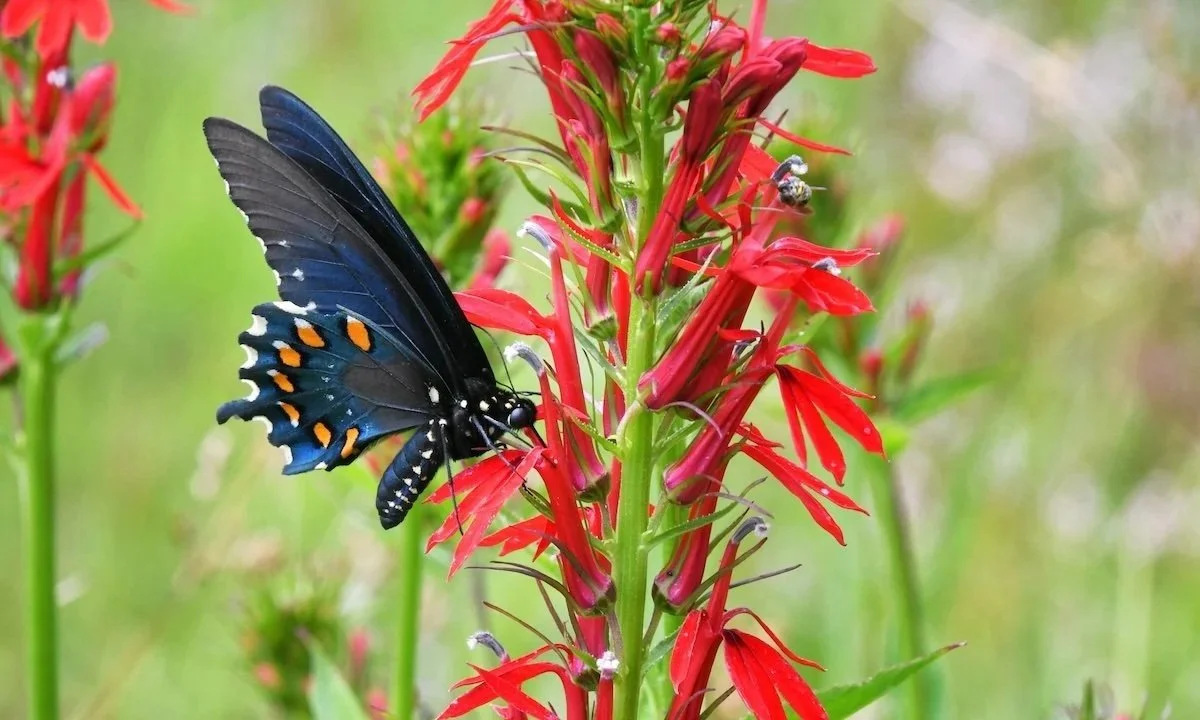
Lobelia Cardinalis (Cardinal Flower)
A species of flowering plant in the bellflower family Campanulaceae native to the Americas. A perennial herbaceous plant, it is found primarily in wet places, such as riparian zones, riverbanks, bogs or swamps.
Perennial. Self seeding. Easy to grow. Attracts pollinators. Supports native insects like butterflies, moths, and native bees. A primary food source for Ruby throated hummingbirds. Deer and rabbit resistant. Medicinal.
(photo courtesy of the Old Farmer’s Almanac)
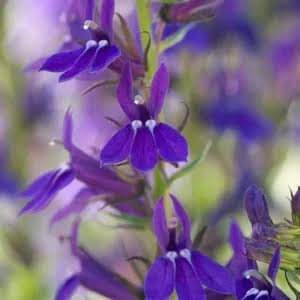
Lobelia Syphilitica (Great Blue Lobelia)
A plant species within the bellflower family Campanulaceae. It is an herbaceous perennial native to eastern and central Canada and United States. There are two recognized varieties of Lobelia siphilitica. It thrives in moist to wet soils and partially shaded environments including swamp forests, roadside ditches, floodplains, lake margins, and wet prairies.
Perennial. Self seeding. Easy to grow. Attracts pollinators. Supports native insects like butterflies, moths, and bumblebees. A primary food source for Ruby throated hummingbirds. Deer and rabbit resistant. Medicinal.
(photo courtesy of Gardenia.net)
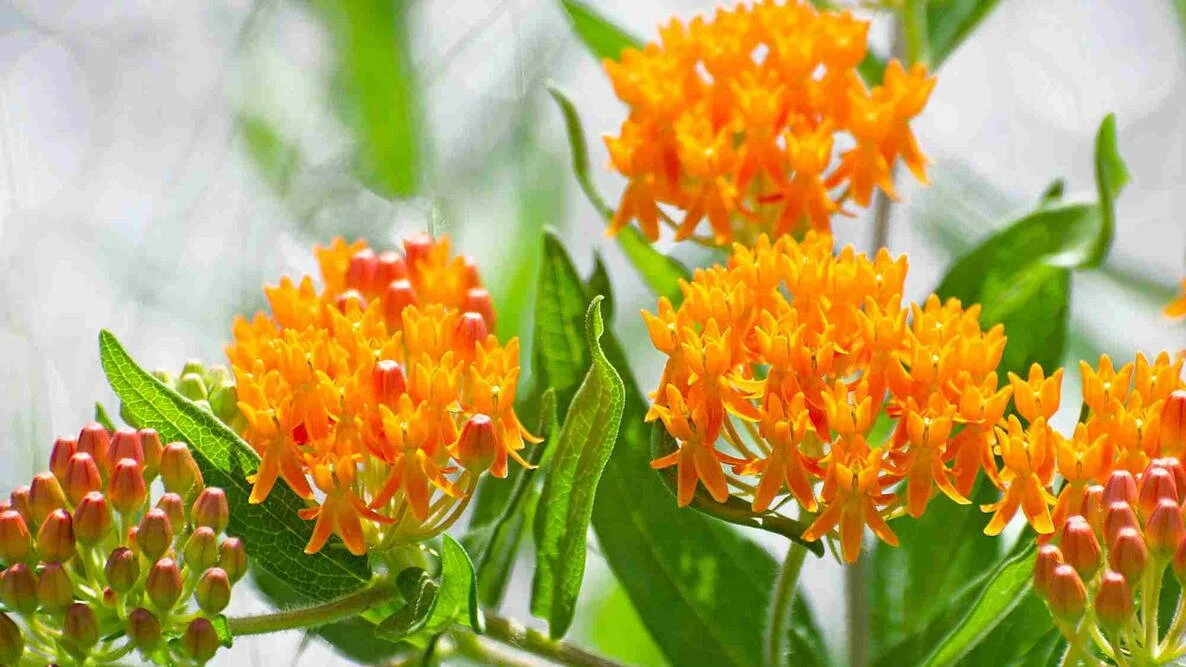
Asclepias Tuberosa (Butterfly Weed)
A species of milkweed native to eastern and southwestern North America. A perennial plant, it is commonly known as butterfly weed because of the butterflies that are attracted to the plant by its color and its copious production of nectar.
Perennial. Spreads via multiplying taproots as well as self seeding. Easy to grow. Attracts pollinators. Supports native insects like butterflies, moths, and native bees. Excellent food source for hummingbirds. A primary food source for Monarch butterflies and host to Monarch caterpillars. Aids in erosion prevention. Fragrant. Medicinal.
(Photo courtesy of the Old Farmer’s Almanac)
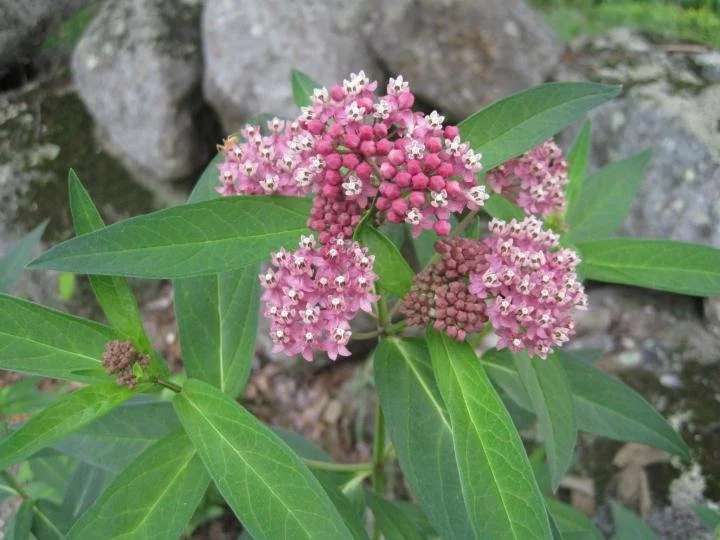
Asclepias Incarnata (Swamp Milkweed)
An herbaceous perennial plant species native to North America. It grows in damp and wet soils and also is cultivated as a garden plant for its flowers which attract butterflies and other pollinators with nectar. Most often found on the margins of flooded plains, lakes, ponds, waterways, marshes, swamps, and other wet areas. It is one of the best attractors of the monarch butterfly (Danaus plexippus), which feeds on the flowers and lays eggs on the plants. The emerging caterpillars feed on the leaves.
Perennial. Spreads via multiplying taproots as well as self seeding. Easy to grow. Attracts pollinators. Supports native insects like butterflies and moths. Excellent food source for winter birds such as finches and sparrows. Medicinal.
(photo courtesy of the Old Farmer’s Almanac)